A major vehicle accident can leave drivers overwhelmed, frustrated, and unsure of what happens next. Beyond the visible dents and broken panels, collisions often create hidden mechanical problems that can affect a vehicle’s safety, performance, and long-term reliability. Modern vehicles are built with advanced technology, computerized safety systems, and structural engineering designed to protect passengers during impact. Because of this complexity, restoring a damaged vehicle requires far more than cosmetic fixes.
Professional repair specialists follow a detailed process to inspect damage, diagnose hidden issues, restore structural integrity, and ensure the vehicle performs safely again. From suspension repairs to paint matching and electronic recalibration, every stage matters. Understanding how this process works helps drivers make informed decisions, avoid low-quality repairs, and protect the value of their vehicle after an accident.
This guide explains the complete repair process and what drivers should expect when restoring a seriously damaged vehicle.
What Happens Immediately After a Serious Accident
After an accident, the first priority is safety. Once everyone is safe and emergency services have been contacted if needed, the vehicle must be inspected carefully before any repairs begin. Even if the damage appears minor, impacts can affect internal systems that are not visible from the outside.
The first step in professional car collision repair is conducting a complete damage assessment. Technicians examine the vehicle’s frame, steering components, suspension systems, and electronic safety features to identify hidden issues.
During the initial inspection, professionals typically evaluate:
- Frame alignment damage
- Fluid leaks beneath the vehicle
- Airbag deployment systems
- Tire and wheel damage
- Suspension irregularities
- Engine compartment issues
- Electrical system failures
Many drivers underestimate the importance of early inspections. A vehicle may still operate after an accident while hiding serious structural weaknesses underneath. Delaying repairs can lead to worsening mechanical issues, unsafe driving conditions, and higher repair costs later.
Repair facilities also work closely with insurance providers during this stage. Accurate documentation helps streamline claims and prevents disagreements about repair coverage. Photos, measurements, and computerized diagnostics create a complete record of the vehicle’s condition.
Drivers should also avoid rushing into repairs based solely on price. Quality restoration requires skilled labor, proper equipment, and careful attention to detail.
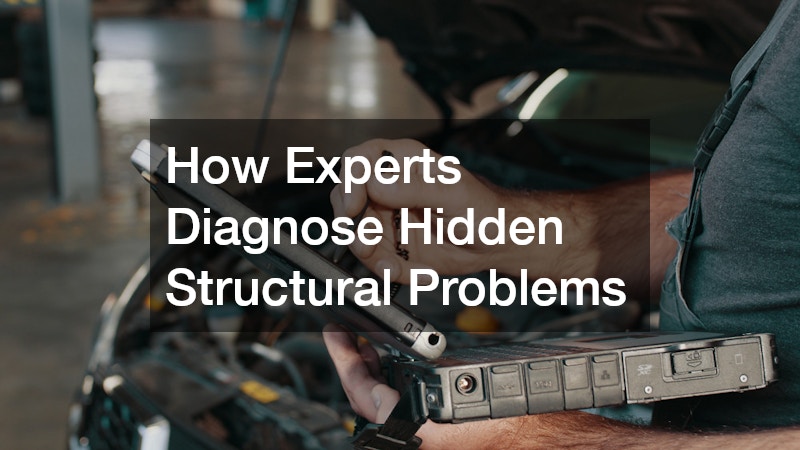
How Experts Diagnose Hidden Structural Problems
Modern vehicles are designed with crumple zones and engineered safety systems that absorb collision energy. While these features protect passengers, they also create complicated repair challenges that require highly trained auto mechanics.
Today’s technicians use advanced diagnostic equipment to detect problems that are impossible to see with the naked eye. Even a moderate impact can throw off wheel alignment, damage steering components, or weaken the vehicle’s structural integrity.
Computerized scanning tools help identify:
- Sensor failures
- Airbag system errors
- Transmission issues
- Electrical faults
- Steering calibration problems
- Suspension abnormalities
Frame measurements are another critical part of the repair process. Specialized equipment measures the vehicle against factory specifications to determine whether the structure has shifted during the collision.
Experienced auto mechanics understand that hidden damage often causes long-term problems if ignored. A vehicle may pull to one side, wear tires unevenly, or develop steering instability months after the accident.
Common signs of hidden structural damage include:
- Uneven gaps between body panels
- Vibrations while driving
- Difficulty steering
- Strange suspension noises
- Premature tire wear
- Warning lights on the dashboard
Proper diagnostics are essential because repairing visible damage without correcting internal issues can leave the vehicle unsafe.
Choosing the Right Facility for Long-Term Results
Not all repair facilities offer the same level of expertise. Selecting the right car repair garage can make the difference between a reliable restoration and recurring problems down the road.
Drivers should research repair providers carefully before approving work. Reputable auto body repair shops invest in specialized equipment, technician certifications, and ongoing training to stay current with modern vehicle technology.
Important factors to evaluate include:
- Industry certifications
- Warranty coverage
- Manufacturer-approved repair methods
- Customer reviews
- Experience with collision restoration
- Availability of computerized diagnostic equipment
Drivers should also request a detailed written estimate before work begins. A quality repair estimate outlines labor costs, replacement parts, paint work, and repair timelines clearly.
Questions worth asking include:
- Will original manufacturer parts be used?
- Are technicians certified?
- Is the paint guaranteed to match?
- Will safety systems be recalibrated?
- Does the warranty cover future issues?
A trustworthy car repair garage communicates openly throughout the process and explains repairs in understandable terms.
Many auto body repair shops also work directly with insurance companies, helping drivers navigate complicated claims procedures while ensuring repairs meet safety standards.
Choosing the cheapest repair option often leads to poor workmanship, lower resale value, and future mechanical failures. Investing in experienced professionals helps ensure the vehicle is restored correctly the first time.
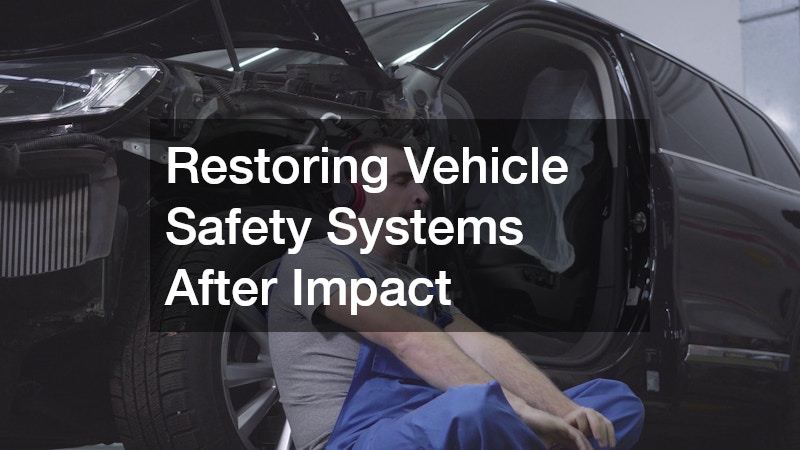
Restoring Vehicle Safety Systems After Impact
After a collision, restoring safety systems is one of the most important stages of the repair process. Even minor impacts can damage braking components, steering systems, and suspension parts that affect how the vehicle handles on the road.
Professional auto brake services involve far more than replacing worn brake pads. Technicians inspect brake lines, rotors, calipers, sensors, and hydraulic systems to ensure every component functions correctly after impact damage.
Braking issues following a collision may include:
- Uneven stopping power
- Brake fluid leaks
- Damaged ABS sensors
- Rotor warping
- Steering wheel vibration while braking
Suspension systems also require careful attention after an accident. Impacts can bend or weaken suspension components, creating unsafe driving conditions.
Shocks struts services are essential for restoring proper vehicle handling and ride stability. Damaged suspension parts can reduce tire traction, increase stopping distance, and cause unpredictable steering behavior.
Technicians often inspect:
- Control arms
- Ball joints
- Struts and shocks
- Tie rods
- Wheel bearings
- Suspension bushings
Proper wheel alignment is another critical step. Even slight alignment issues can affect steering precision and tire wear.
After repairs are completed, professional test driving helps verify:
- Steering responsiveness
- Brake performance
- Suspension stability
- Noise reduction
- Vehicle tracking accuracy
Safety-related repairs should never be rushed. Thorough inspections and careful testing help ensure the vehicle performs properly under real-world driving conditions.
Repairing Exterior Damage the Right Way
Exterior restoration involves more than simply making a vehicle look good again. Modern vehicle exteriors contain sensors, cameras, and structural components that contribute to safety and performance.
One of the most common repairs following accidents is bumper repair. While bumpers are designed to absorb impact energy, they can crack, shift, or lose structural integrity during collisions.
Professional bumper repair may involve:
- Plastic welding
- Dent removal
- Reinforcement replacement
- Sensor recalibration
- Paint refinishing
Technicians first determine whether the bumper can be repaired or must be replaced entirely. Minor surface damage may be repairable, while severe structural cracks often require full replacement.
Paint matching is another important aspect of exterior restoration. Modern paint systems use computerized color-matching technology to ensure repaired areas blend seamlessly with the original finish.
Drivers should understand that poor paint work can reduce resale value significantly. Uneven color, peeling clear coat, or visible repair lines are signs of low-quality workmanship.
Exterior repairs may also include:
- Panel replacement
- Dent correction
- Scratch removal
- Headlight restoration
- Fender alignment
Professional car collision repair facilities carefully inspect all repaired panels to ensure proper fitment and alignment. Uneven gaps between panels often indicate rushed or incomplete repairs.
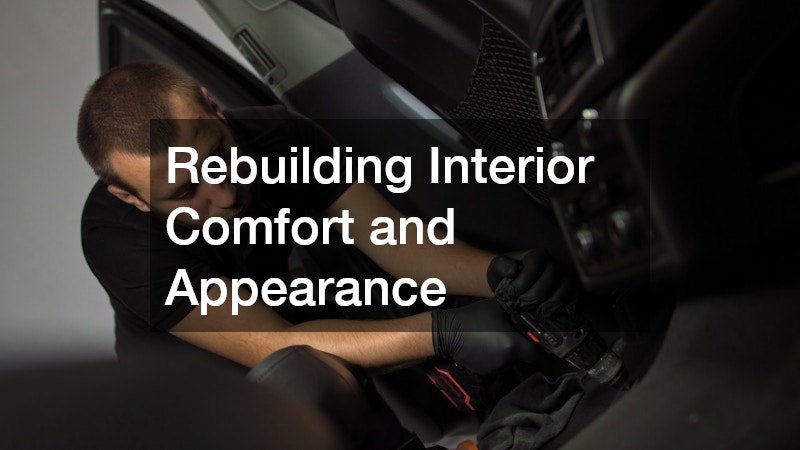
Rebuilding Interior Comfort and Appearance
Accidents can cause substantial interior damage, especially during severe impacts. Torn seats, damaged dashboards, deployed airbags, and broken trim pieces all require professional restoration to return the cabin to pre-accident condition.
Auto upholstery repair plays a major role in restoring interior comfort and appearance. Skilled technicians repair or replace damaged materials while matching original textures and colors closely.
Common interior repairs include:
- Seat restoration
- Carpet replacement
- Dashboard repair
- Door panel restoration
- Headliner replacement
- Airbag compartment repair
Interior damage is not always immediately visible after an accident. Moisture intrusion from broken windows or damaged seals can create mold, odors, and electrical issues over time.
Professional restoration teams also inspect:
- Seatbelt functionality
- Wiring harnesses
- Airbag sensors
- Interior electronics
- Climate control systems
Proper cleaning and deodorizing are especially important after collisions involving smoke, shattered glass, or water exposure.
Drivers should avoid delaying interior repairs because damaged materials can deteriorate quickly if ignored. Early intervention helps preserve the vehicle’s appearance and prevents long-term issues from developing.
High-quality auto upholstery repair also helps maintain resale value. Buyers are far less likely to purchase vehicles with visible interior damage or signs of poor restoration work.
Replacing Glass, Tint, and Visibility Features Properly
Visibility systems are critical for safe driving, and accidents often damage windows, mirrors, windshields, and related components. Repairing these systems properly requires specialized tools and precise calibration procedures.
Many drivers overlook the importance of professional auto tinting services after window replacement. Damaged tint film not only affects appearance but may also reduce UV protection, interior comfort, and privacy.
After replacing damaged glass, technicians carefully install new tint while ensuring compliance with local regulations. Poor tint installation can create bubbling, peeling, and visibility distortions.
Modern vehicles also rely heavily on windshield-mounted safety technology, including:
- Lane departure sensors
- Rain sensors
- Collision warning cameras
- Adaptive cruise control systems
When windshields are replaced, these systems often require recalibration to function correctly.
Drivers should ask repair facilities whether recalibration services are included with glass replacement. Improper calibration may cause safety systems to malfunction unexpectedly.
Professional auto tinting services also help protect newly restored interiors from UV damage and excessive heat buildup.
To protect fresh tint installation, drivers should:
- Avoid rolling windows down immediately
- Keep windows clean and dry
- Use non-abrasive cleaning products
- Follow curing instructions carefully
Proper installation and calibration help restore both visibility and vehicle safety after major repairs.
When Salvage Parts Make Financial Sense
Repairing severe collision damage can become expensive quickly, especially when multiple components require replacement. In some cases, using recycled parts through auto salvage services can help reduce costs without sacrificing quality.
Salvaged components are often sourced from vehicles that were totaled for reasons unrelated to the needed part. Many parts remain fully functional and can provide reliable replacements when inspected properly.
Common recycled parts include:
- Doors
- Mirrors
- Bumpers
- Wheels
- Trim pieces
- Engine components
Professional auto salvage services inspect components carefully before resale to ensure usability and safety.
However, not every part should be purchased secondhand. Critical safety systems, such as airbags or heavily damaged structural components, typically require new replacements.
Drivers should ask repair providers:
- Where salvaged parts are sourced from
- Whether parts are inspected and tested
- If warranties are available
- Whether recycled parts match factory specifications
Using recycled parts responsibly can lower repair costs while supporting environmentally friendly practices by reducing waste.
Experienced repair facilities understand which components are appropriate for salvage replacement and which require brand-new factory parts for safety reasons.
Understanding the Full Repair Timeline
Many drivers become frustrated when repairs take longer than expected. However, major restoration projects involve multiple stages, inspections, and approvals that require time to complete correctly.
The complete car collision repair timeline often includes:
- Damage assessment
- Insurance approval
- Parts ordering
- Structural repairs
- Mechanical repairs
- Paint and refinishing
- Reassembly
- Quality inspection
- Test driving
Parts availability is one of the most common causes of repair delays. Specialized components for newer vehicles may require factory ordering, which can extend timelines significantly.
Insurance approval processes may also slow repairs when adjusters require additional inspections or documentation.
Professional repair facilities maintain communication throughout the process and provide updates regarding:
- Repair progress
- Delays
- Additional damage discoveries
- Revised completion estimates
Drivers should remain cautious of repair shops promising unrealistically fast turnaround times. Quality work requires careful attention at every stage.
Before returning the vehicle, technicians perform final inspections to verify:
- Paint consistency
- Structural alignment
- Safety system operation
- Mechanical performance
- Interior condition
These final quality checks help ensure repairs meet both safety standards and customer expectations.
How to Protect Your Vehicle After Repairs Are Complete
Even after repairs are finished, ongoing maintenance remains important for protecting vehicle performance and reliability.
Drivers should schedule follow-up inspections with trusted auto mechanics to ensure repaired systems continue functioning properly. Some issues may not become noticeable until weeks after the vehicle returns to regular driving conditions.
Post-repair maintenance recommendations often include:
- Wheel alignment checks
- Tire inspections
- Brake evaluations
- Suspension inspections
- Fluid monitoring
- Electronic system diagnostics
Pay attention to warning signs such as:
- Steering vibrations
- Uneven tire wear
- Fluid leaks
- Dashboard warning lights
- Unusual noises
- Poor handling performance
Routine maintenance also helps extend the lifespan of repaired components and preserve vehicle value over time.
Drivers should keep all repair documentation, including:
- Repair estimates
- Warranty information
- Parts invoices
- Inspection reports
- Insurance records
These records may become valuable when selling the vehicle or filing future warranty claims.
Consistent cleaning and protective maintenance also help preserve paint quality, interior materials, and exterior finishes after restoration work is completed.
Protecting Your Vehicle for the Long Run
Recovering from a major accident involves far more than repairing visible damage. Every stage of the restoration process plays a role in returning the vehicle to safe operating condition while protecting long-term performance and value. From structural inspections and mechanical repairs to paint refinishing and electronic recalibration, professional restoration requires specialized expertise and careful attention to detail.
Drivers who understand the repair process are better prepared to choose qualified professionals, ask informed questions, and avoid shortcuts that could compromise safety. Taking the time to invest in quality repairs, ongoing maintenance, and proper inspections helps ensure the vehicle remains reliable for years to come.