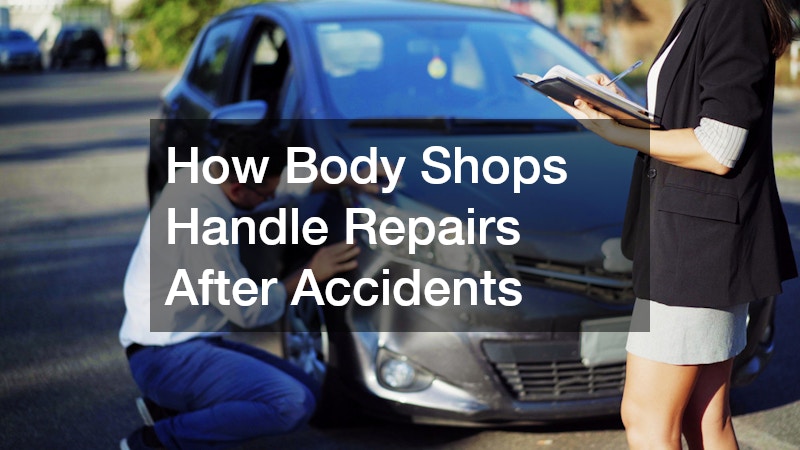
A car accident can be overwhelming even when it’s minor. In the moments afterward, drivers are often dealing with stress, confusion, and uncertainty about what to do next. Beyond the immediate safety concerns, there is also the question of what happens to the vehicle and how it gets restored to a safe, drivable condition.
Modern collision repair is a highly structured process that involves trained technicians, insurance coordination, diagnostic tools, and multiple stages of repair and verification. While most drivers only see the damaged car being dropped off and later returned fixed, what happens in between is a carefully managed workflow designed to ensure safety, accuracy, and quality.
This guide walks through each stage of the process so readers can better understand how accident repairs are handled—from the moment help arrives at the scene to the final quality checks before a vehicle is returned.
1. Emergency Response and Safe Vehicle Handling

After an accident, the first priority is always safety. Before any repair decisions are made, drivers need to ensure they are out of harm’s way and that the vehicle is not creating additional hazards.
Roadside professionals are often the first trained responders to arrive when a vehicle cannot be safely driven. Their role is to stabilize the situation and prepare the vehicle for transport.
Key steps typically include:
- Checking that occupants are safe and away from traffic
- Securing the vehicle to prevent further movement
- Identifying whether the vehicle can be temporarily driven or must be transported with roadside assistance
- Assisting with basic issues like battery failure or minor mechanical lockouts
If the car is not drivable, towing becomes necessary. The goal is not just to move the vehicle, but to do so without causing additional damage.
Important considerations during this stage:
- Flatbed transport is often preferred for severely damaged vehicles
- Wheel lift methods may be used for lighter damage cases
- Proper securing prevents suspension or frame stress during transit
- Documentation of vehicle condition before loading is helpful for insurance claims
This early stage sets the tone for the entire repair process, making professional handling critical.
2. Coordinating Vehicle Recovery and Transport Logistics
Once immediate safety concerns are addressed, the next step is ensuring the vehicle is transported to a repair facility or storage location.
Local towing services play a crucial role in this stage because they are familiar with regional routes, storage yards, and repair networks. Their efficiency often determines how quickly the repair process begins.
What typically happens during recovery:
- Dispatch receives accident details and location
- The appropriate tow vehicle is assigned based on damage type
- The vehicle is carefully loaded and secured
- Destination is confirmed (repair shop, insurance lot, or storage facility)
Drivers should be aware of a few best practices:
- Confirm where the vehicle is being taken before it is towed
- Remove personal belongings if it is safe to do so
- Take photos of the vehicle’s condition before transport
- Request a receipt or documentation from the tow operator
Efficient recovery reduces delays in inspection and helps streamline communication with repair professionals.
3. Evaluating Repair Facilities and Damage Scope
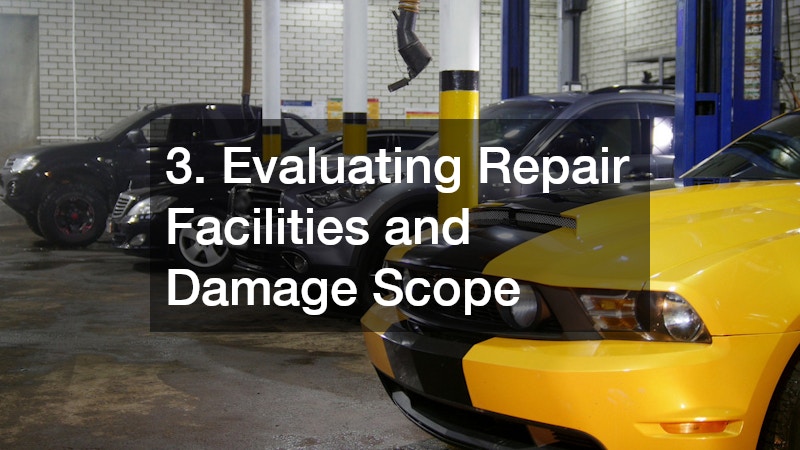
Once the vehicle arrives at a repair facility, the selection of where it is serviced becomes important. Not all repair locations offer the same level of expertise, equipment, or specialization.
A body shop typically focuses on collision-related repairs such as structural restoration, panel replacement, and refinishing. These facilities are equipped to handle impact damage that goes beyond basic maintenance.
Auto shops, on the other hand, may provide a broader range of general vehicle maintenance and mechanical repairs, though not all are equipped for major collision restoration.
When choosing where a vehicle should be repaired, key considerations include:
- Certification and technician training (such as OEM certifications)
- Availability of frame straightening and diagnostic equipment
- Experience with insurance claim handling
- Reputation for quality collision repair work
Questions drivers should ask:
- Does the facility specialize in collision repair?
- What type of warranty is offered on repairs?
- How are parts sourced and verified?
- What is the estimated timeline for completion?
Selecting the right facility ensures the vehicle is restored safely and correctly, not just cosmetically.
4. Detailed Damage Assessment and Structural Evaluation
Before repairs begin, technicians conduct a thorough evaluation of the vehicle. This stage is one of the most important because it determines the full scope of work required.
A vehicle inspection involves both visual checks and diagnostic testing. While some damage is immediately visible, other issues—such as frame misalignment or internal component damage—may only appear after partial disassembly.
At an auto body shop, the inspection process may include:
- Measuring frame alignment using computerized systems
- Checking suspension, steering, and underbody components
- Identifying hidden damage behind exterior panels
- Scanning onboard electronics and safety systems
Common steps in the inspection process:
- Initial walkaround assessment
- Digital damage documentation
- Teardown of affected areas if necessary
- Supplemental inspection after hidden components are exposed
Key outcomes of this stage:
- A detailed repair estimate
- Identification of safety-related repairs
- Insurance approval for additional work if needed
This phase ensures nothing is overlooked before repairs begin.
5. Mechanical Restoration and Dent Repair Planning
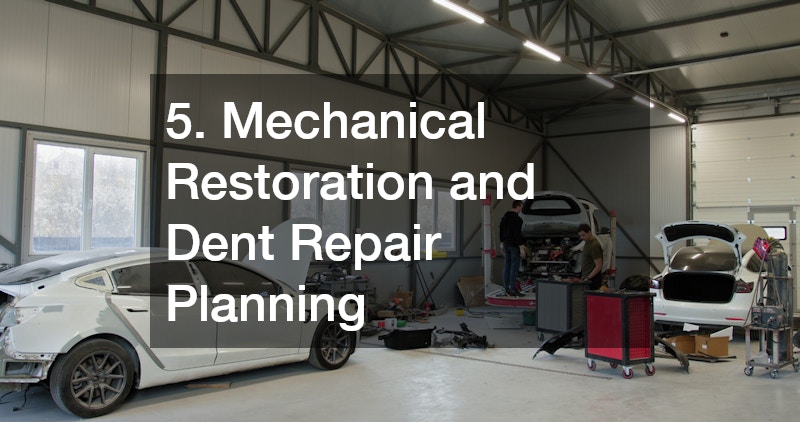
Once the full scope of damage is understood, technicians begin planning mechanical and cosmetic repairs. This stage often involves both structural and functional restoration.
Car services in this context refer to the broader mechanical work required to return a vehicle to safe operating condition. This may include engine-related adjustments, suspension repairs, or brake system corrections.
Auto dent repairs focus specifically on restoring exterior panels that have been damaged in a collision.
Repair planning typically includes:
- Prioritizing safety-critical systems first
- Determining whether parts should be repaired or replaced
- Sequencing repairs for efficiency
- Ordering necessary OEM or aftermarket parts
Common dent repair techniques include:
- Paintless dent removal for minor surface damage
- Panel replacement for severe impact zones
- Filling and refinishing for medium-level damage
- Heat and suction methods for reshaping metal panels
Technicians ensure that both appearance and structural integrity are restored before moving forward.
6. Paint Restoration and Surface Refinishing Techniques
After structural and mechanical repairs are completed, attention shifts to restoring the vehicle’s appearance. Paint work is one of the most detail-oriented parts of the process.
Mobile paint repair services are sometimes used for smaller cosmetic damage where full shop refinishing is not required. These services can address scratches, chips, and minor surface imperfections without extensive disassembly.
The paint restoration process typically includes:
- Sanding and smoothing repaired areas
- Applying primer for surface bonding
- Color matching using computerized systems
- Layered paint application for durability
- Clear coat finishing for protection and shine
Important considerations:
- Exact color matching is essential for consistency
- Environmental conditions affect paint curing quality
- Multiple layers may be required for serious damage
- Blending ensures repaired areas match the surrounding panels
This step is critical for restoring the vehicle’s visual condition and resale value. A well-maintained appearance can significantly enhance the car’s appeal to potential buyers. Additionally, addressing any visible imperfections can prevent further deterioration, ultimately saving money on future repairs.
7. Final Quality Control and Safety Verification
Once all repairs are completed, the vehicle undergoes a final inspection phase. This step ensures that both safety and quality standards have been met before returning the car to the owner.
Technicians perform multiple tests, including:
- Road testing for drivability and handling
- Alignment verification
- Brake and suspension performance checks
- Electronic system diagnostics
- Visual inspection of paint and panel fitment
Quality control checklist:
- No warning lights on the dashboard
- Proper wheel alignment and tire balance
- Smooth acceleration and braking
- Secure installation of all repaired components
- Consistent paint finish across panels
This stage is designed to catch any overlooked issues before the vehicle is released. It serves as a crucial checkpoint where technicians thoroughly inspect every aspect of the vehicle, ensuring it meets quality and safety standards. Any potential problems are addressed proactively, allowing for necessary adjustments to be made before the vehicle reaches the customer. This meticulous attention to detail not only enhances the reliability of the vehicle but also fosters customer trust and satisfaction in the brand.
8. Communication, Insurance Coordination, and Repair Transparency
Throughout the repair process, communication plays a key role in keeping vehicle owners informed. Repair facilities typically work closely with insurance companies to ensure claims are processed correctly and repairs are approved without unnecessary delays. This coordination is especially important because collision repairs often uncover additional damage once the vehicle is taken apart, and those findings must be reviewed before work can continue.
Clear, consistent communication helps prevent unnecessary setbacks. When updates are shared in real time, it reduces confusion about timelines, prevents duplicate work, and ensures that both the repair facility and insurance provider are aligned on what needs to be done. It also gives vehicle owners a clearer understanding of what is happening behind the scenes instead of leaving them to guess where things stand.
Common communication practices include regular status updates on repair progress. These updates might be delivered through phone calls, text messages, emails, or digital repair tracking systems. They typically explain what stage the vehicle is in—such as waiting for parts, undergoing structural repair, or being prepped for paint—and whether any unexpected issues have come up that could affect timing.
Photo documentation is another major part of the process. Repair facilities often take detailed images before repairs begin, during disassembly, and after key milestones are completed. These photos help insurance companies verify damage, support supplemental repair requests, and provide transparency for the vehicle owner. Instead of relying only on written descriptions, visual evidence helps clarify exactly what damage exists and how it is being addressed.
When additional damage is discovered after teardown, repair shops must submit approval requests for supplemental findings. This usually involves updating the original estimate, attaching supporting photos or diagnostic results, and sending the information to the insurance adjuster for review. While this step can add time to the repair process, it ensures that all necessary repairs are properly authorized and covered, rather than being overlooked or rushed.
Estimated completion timelines are also shared early in the process, though they are often adjusted as repairs progress. Delays can occur due to parts availability, insurance approvals, or hidden damage that wasn’t visible during the initial inspection. Reputable repair facilities will revise timelines as needed and communicate those changes proactively so vehicle owners are not caught off guard.
Insurance coordination is another critical part of communication throughout the repair process. Adjusters may inspect the vehicle in person or review detailed documentation provided by the repair facility to confirm the extent of damage and approve repairs. They also play a role in parts approval, ensuring that replacement components meet coverage guidelines and policy requirements.
Coverage confirmation is required before major repairs move forward. This step ensures that the insurance policy applies to the specific damages being repaired and clarifies what portion of the cost will be covered versus what may be the responsibility of the vehicle owner. In some cases, repair shops assist in explaining these details so customers better understand their coverage.
Payment processing between the insurance company and repair facility typically occurs in structured stages. An initial payment may be issued based on the original estimate, with additional payments released if supplemental damage is approved. This staggered system helps ensure that the repair shop is compensated fairly as more work is authorized and completed.
For vehicle owners, staying engaged in the process helps reduce misunderstandings and keeps expectations realistic. Responding quickly to approval requests, reviewing updates as they come in, and asking questions when something is unclear all contribute to a smoother experience. When communication flows consistently between all parties, the repair process tends to move more efficiently and with fewer surprises.
Conclusion
Understanding how accident repairs are handled provides clarity during what is often a stressful experience. From the initial response at the scene to the final quality checks, each stage of the process is designed to restore safety, functionality, and appearance in a structured and reliable way.
While drivers may only interact briefly with repair professionals, the work behind the scenes is detailed and highly technical. Knowing what to expect helps vehicle owners make informed decisions, communicate effectively with repair teams, and feel more confident throughout the recovery process.