Owning a car is more than just getting from point A to point B—it’s about taking pride in your ride, keeping it looking sharp, and making sure it lasts as long as possible. While regular driving habits matter, what really keeps a car looking and feeling new is consistent care for both the exterior and interior. In this article, we’ll cover practical tips to keep your vehicle in top shape, from washing and waxing to protecting interiors, wheels, windows, and more.
Regular Washing and Waxing
Keeping your car clean might seem obvious, but it’s more than just aesthetic—it’s the foundation of protecting your vehicle. Dirt, dust, salt, and other debris can eat away at paint and finishes over time, leaving your car vulnerable to rust and fading.
A few tips to make washing effective:
-
Wash frequently, but correctly: Use a proper car wash soap instead of dish detergent, which can strip wax.
-
Rinse first: Remove loose dirt and grit to prevent scratches during washing.
-
Use soft cloths or mitts: Microfiber mitts reduce the chance of swirl marks.
-
Dry thoroughly: Air-drying can leave water spots, so use a soft towel or chamois.
Once your car is clean, a good wax protects the paint from UV rays, rain, and contaminants. Waxing every few months will keep your car shining and help preserve its finish.
-
Apply wax in small sections for even coverage.
-
Buff gently to avoid streaks and bring out a deep shine.
-
Consider synthetic sealants for longer-lasting protection between waxings.
Regular washing and waxing aren’t just about vanity—they’re your car’s first line of defense against the elements.
Protecting Paint
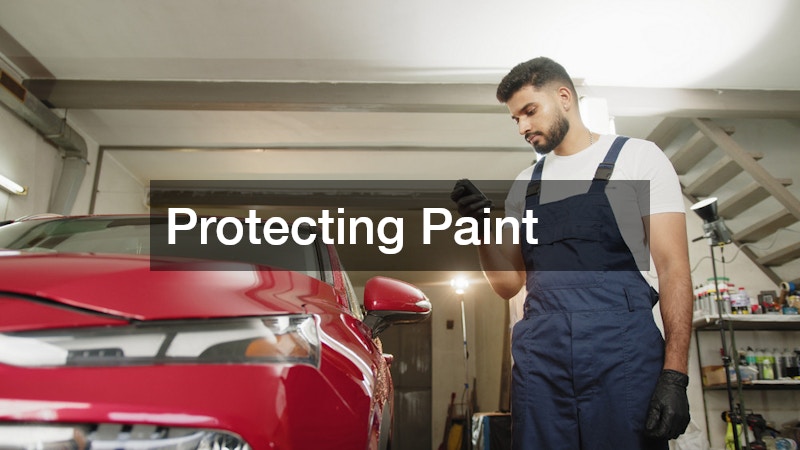
Even with careful washing and waxing, your car’s paint is still exposed to all sorts of hazards—sunlight, road debris, minor accidents, and everyday wear and tear. Protecting your vehicle’s finish isn’t just about looks; it’s about preventing corrosion, rust, and damage that can be expensive to fix. Taking proactive steps ensures your car maintains that fresh, glossy appearance for years to come.
Preventative Measures
-
Park smart: Whenever possible, avoid direct sunlight, which can fade paint over time. If you don’t have access to covered parking, a high-quality car cover can make a big difference in protecting your finish.
-
Mind nearby hazards: Be aware of shopping carts, bicycles, tree branches, and other objects that could scratch or dent your paint. Even small impacts can leave noticeable marks over time.
-
Avoid harsh chemicals: Household cleaners, acidic substances, and strong solvents can strip protective layers and dull the paint. Stick to products designed specifically for car exteriors to preserve the finish.
-
Protective films: Consider applying clear protective films to high-impact areas such as bumpers, hoods, and door edges. These films act as a barrier against chips, scratches, and other minor damage, keeping your paint intact.
Maintenance and Touch-Ups
-
Inspect regularly: Check your car’s surface frequently for chips, scratches, or fading. Catching small issues early can prevent rust from forming and reduce the need for extensive repairs later.
-
Paint touch-ups and minor repairs: When scratches or minor chips occur, professional auto painting can restore the original color and luster seamlessly. For dents that haven’t damaged the paint, paintless dent repairs are an efficient way to maintain your car’s exterior without compromising its finish.
-
Polishing and waxing: Regular polishing removes minor imperfections and oxidation, restoring depth and shine to the paint. Follow with a quality wax or sealant to provide long-lasting protection against UV rays, dirt, and water spots.
Taking these proactive steps ensures your car’s paint remains vibrant and intact, preventing minor wear from turning into costly damage and keeping your vehicle looking as good as the day you bought it.
Caring for Wheels and Tires
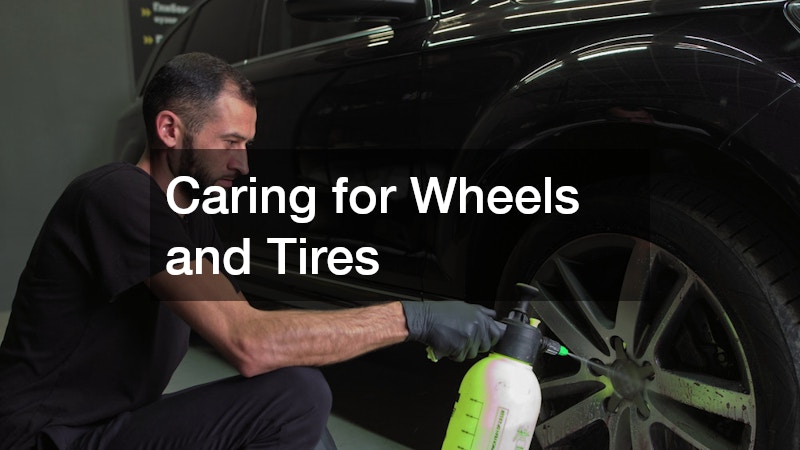
Wheels and tires are more than just functional components—they play a major role in your car’s overall look and performance. Shiny, well-maintained wheels make your vehicle stand out, while properly cared-for tires help ensure safety, handling, and longevity. If you’ve invested in custom wheels and tires, keeping them clean and in top shape is essential for both aesthetics and performance.
Cleaning Tips
-
Use wheel-specific cleaners: Brake dust, road grime, and dirt can accumulate quickly, especially on rims. Cleaners designed for wheels help break down grime without damaging finishes.
-
Avoid harsh brushes: Hard bristles or abrasive tools can scratch rims and dull their appearance. Soft brushes or microfiber cloths work best.
-
Clean tires thoroughly: Use a gentle tire cleaner to remove dirt and road residue, keeping tires looking fresh and preventing premature cracking or fading.
-
Rinse and dry properly: Make sure all cleaner residues are rinsed off, and dry wheels with a soft towel to avoid water spots.
Maintenance Tips
-
Check tire pressure regularly: Proper inflation ensures smooth handling, improves fuel efficiency, and prevents uneven tire wear.
-
Rotate tires frequently: Rotating tires every 5,000–7,000 miles helps maintain even tread wear and extends their lifespan.
-
Inspect tread depth: Safe traction is crucial for handling and stopping. Replace tires when tread becomes too low to maintain safety.
-
Monitor for damage: Look for cracks, bulges, or embedded debris that could compromise tire performance. Early attention prevents bigger problems down the road.
Proper care of your wheels and tires not only makes your vehicle look its best but also enhances driving performance and safety. Taking a little extra time to clean, inspect, and maintain your rims and tires pays off in longevity, appearance, and peace of mind on every drive.
Maintaining the Interior
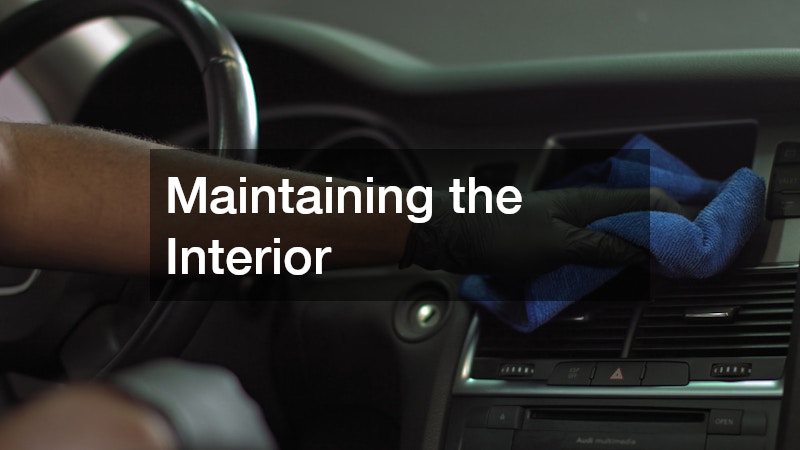
The inside of your car deserves just as much attention as the outside. Dirt, spills, and everyday wear can make even a newer vehicle feel old before its time. A clean, well-maintained interior not only improves comfort during every drive but also helps preserve resale value. By taking some simple steps, you can keep your car feeling fresh, comfortable, and inviting for years to come.
Cleaning Tips
-
Vacuum thoroughly: Regularly vacuum carpets, seats, floor mats, and hard-to-reach corners to remove dirt and dust that can embed in fabrics.
-
Wipe down surfaces: Clean dashboards, door panels, and center consoles with gentle, non-abrasive cleaners. Pay attention to vents and knobs to remove grime and prevent buildup.
-
Leather care: Treat leather seats with a conditioner to prevent cracking, fading, and stiffness. Even a few minutes a week can significantly extend the life of your upholstery.
-
Spot treatment: For stains on fabric or leather, quick attention prevents permanent damage. For more serious wear or tears, professional auto upholstery repair services can restore your seats and keep them looking like new.
Preventative Measures
-
Sun protection: Use sunshades and window tints to prevent UV damage that can fade dashboards, seats, and trim over time.
-
Air conditioning maintenance: A well-functioning auto air conditioning system not only keeps the cabin comfortable but also helps prevent moisture buildup that can damage fabrics and create odors.
-
Food and drink precautions: Keep snacks and beverages in closed containers to avoid spills and stains.
-
Debris removal: Clear trash, dirt, and sand promptly to prevent scratches, discoloration, and permanent marks on surfaces.
With regular cleaning, timely maintenance, and some preventive habits, the interior of your car can remain as inviting and fresh as the day you bought it. A little attention goes a long way toward making every drive a comfortable and enjoyable experience.
Preventing Rust and Corrosion
Rust is one of the most damaging threats to a car—it spreads quickly and can compromise structural integrity, weaken panels, and make even minor scratches a costly problem. Preventing rust is all about consistent care, attention to environmental factors, and timely action to stop small issues from turning into bigger headaches.
Tips to Prevent Rust
-
Wash the undercarriage regularly: Salt, mud, and grime collect underneath your car, especially after winter or rainy seasons. A thorough rinse helps remove these corrosive elements before they can eat away at metal surfaces.
-
Keep drains and wheel wells clear: Leaves, dirt, and debris can trap moisture in crevices, creating ideal conditions for rust. Clean these areas regularly to prevent buildup.
-
Apply protective sprays: Specialized anti-rust sprays or coatings can protect vulnerable areas like underbody panels, suspension components, and wheel arches from moisture and corrosion.
Early Detection and Care
-
Regular inspections: Check your car’s exterior, underbody, and hidden spots for tiny rust spots. Catching them early is far easier and less expensive than dealing with widespread corrosion.
-
Promptly address scratches and chips: Exposed metal is highly susceptible to rust. Touch up paint and protective coatings immediately to prevent moisture intrusion.
-
Professional support: Occasionally, consulting automotive services for detailed inspections or protective treatments ensures your car is thoroughly protected, especially in areas prone to rust.
-
Safe storage: Whenever possible, keep your car in a garage or covered space to shield it from rain, snow, and humidity.
While rust prevention isn’t glamorous, it’s one of the most effective ways to maintain your car’s value, appearance, and longevity. With consistent care and occasional professional guidance, you can keep corrosion from ever becoming a major issue.
Protecting Windows and Mirrors

Windows and mirrors aren’t just for visibility—they’re also an important part of your car’s exterior finish. Over time, neglecting these surfaces can lead to clouding, scratches, chips, or even cracks, all of which can compromise both appearance and safety. Protecting glass surfaces requires a combination of regular cleaning, careful handling, and timely attention to minor damage.
Maintenance Tips
-
Clean regularly: Use a dedicated glass cleaner to remove dirt, smudges, fingerprints, and water spots. Be sure to clean both inside and outside surfaces for maximum clarity.
-
Inspect for chips and cracks: Small chips can quickly turn into larger cracks if ignored. Address minor damage promptly, or seek professional auto repairs for proper fixes before it worsens.
-
Apply protective coatings: Water-repellent treatments help rainwater bead off the surface, improving visibility and reducing mineral deposits that can cloud or etch glass over time.
-
Maintain windshield wipers: Worn or damaged wipers can scratch glass and reduce visibility. Replace them regularly and check for proper contact across the windshield.
Preventative Care
-
Park smart: Whenever possible, park in shaded areas or use sunshades to protect windows and mirrors from heat and UV exposure, which can accelerate fading or discoloration.
-
Handle carefully: Avoid slamming doors near mirrors, and be mindful of objects that could scratch or chip glass.
-
Regular inspections: Periodically check seals and mirror mounts to prevent leaks or misalignment that could damage the glass.
Well-maintained windows and mirrors not only enhance your car’s appearance but also improve driving safety and comfort. A little attention goes a long way in preventing costly repairs while keeping your car looking polished and cared-for.
Exhaust System Care
The exhaust system is one of those parts of your car that often gets overlooked, but it’s essential for keeping your vehicle running efficiently and protecting the underside from corrosion. Neglecting the exhaust can lead to rust, damage, and performance issues, which can affect not only how your car drives but also its overall appearance. Paying attention to this system helps your car last longer and keeps it running quietly and safely.
Maintenance Tips
-
Regular inspections: Check the entire exhaust system for holes, rust, cracks, or loose parts. Early detection of issues prevents small problems from becoming costly repairs.
-
Clean visible components: Occasional cleaning of exposed pipes and mufflers removes dirt, grime, and salt buildup that can accelerate corrosion.
-
Listen closely: Strange noises like rattling, hissing, or excessive exhaust sounds can indicate leaks or damage that need attention. Catching these early avoids bigger issues down the line.
Preventative Measures
-
Avoid deep water: Driving through floods or deep puddles can force water into the exhaust system, causing rust or internal damage.
-
Park strategically: Whenever possible, park in dry areas to reduce moisture buildup and prevent corrosion on the undercarriage and exhaust components.
-
Schedule seasonal inspections: Regular checkups, ideally as part of seasonal maintenance, help detect early signs of wear or rust. A professional car mechanic can also advise on additional protective measures.
Proper care of your exhaust system not only keeps your car running efficiently but also preserves the integrity of the underbody. With a little attention to inspections, cleaning, and preventative measures, your vehicle stays safe, efficient, and looking its best from every angle.
Final Tips for Long-Term Vehicle Protection
Keeping your car looking and performing its best is an ongoing process, but it doesn’t have to be complicated. By combining regular cleaning, preventative care, and timely attention to minor issues, you can ensure your vehicle stays in top condition for years to come. Here are some final tips to help you protect both the exterior and interior of your car:
-
Stay consistent with washing and waxing: A regular routine removes dirt, salt, and grime that can damage paint and finishes. Waxing adds a protective layer that helps maintain shine and prevents fading.
-
Address minor damage immediately: Small scratches, chips, or dents may seem minor, but they can worsen over time. Early attention prevents rust and other long-term issues.
-
Keep the interior clean: Regular vacuuming, wiping down surfaces, and protecting upholstery from spills and UV damage helps preserve your car’s comfort and value.
-
Maintain mechanical components: Routine maintenance of tires, brakes, exhaust, and other systems ensures safety, performance, and longevity.
-
Schedule professional inspections: Even with diligent care, sometimes it’s best to let experts take a look. Visiting a trusted auto repair shop periodically can catch hidden issues before they become expensive problems.
By following these tips and combining them with the practices outlined throughout this guide, you can enjoy a car that looks great, performs reliably, and retains its value for years. Remember, consistent care today saves time, money, and headaches down the road.
Closing Thoughts
Protecting your car’s exterior and interior finish doesn’t have to be complicated or time-consuming. With a mix of regular cleaning, preventative measures, and timely attention to small issues, you can keep your vehicle looking sharp and feeling great for years. From washing and waxing to maintaining interiors, wheels, and exhaust systems, consistent care is the secret to a car that stays in top condition—and makes you proud every time you hit the road.